Workplace2026.07.19
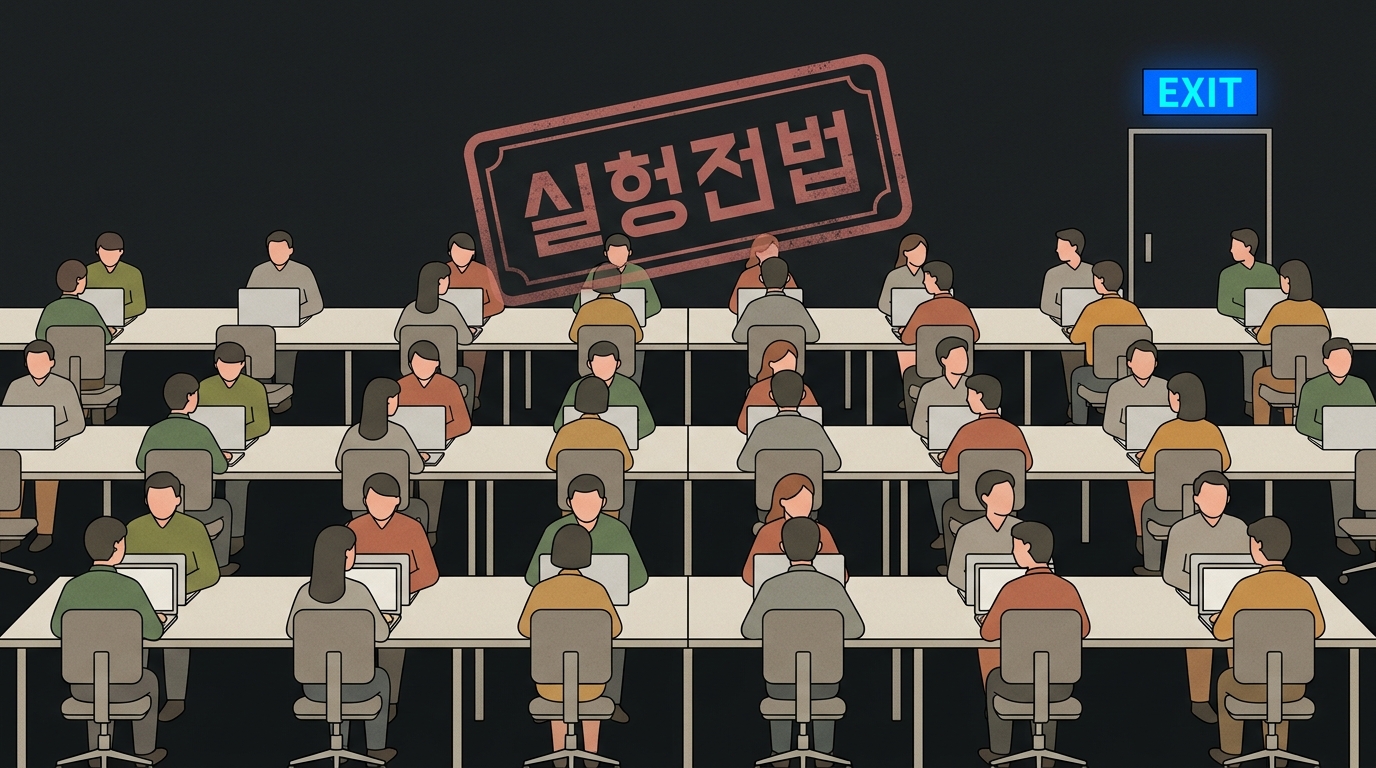
The Great Compliance: Why Workers Stopped Fighting RTO
대순응의 시대: 직원들은 왜 사무실 복귀에 저항을 멈췄나
읽기 도움말Hook
A year ago, more than half of American workers said they would quit rather than return to the office full-time. Today, that number has collapsed to just 7%. Researchers are calling this dramatic reversal "the Great " — but behind the quiet surrender is a story that is far more complicated.
1년 전, 미국 직원의 절반 이상이 전일 출근 명령이 내려지면 차라리 회사를 그만두겠다고 말했다. 오늘날, 그 비율은 단 7%로 급감했다. 연구자들은 이 극적인 반전을 '대순응(The Great Compliance)'이라 부르고 있다. 하지만 그 조용한 굴복 뒤에는 훨씬 복잡한 이야기가 숨어 있다.
Why now
The year 2026 opened with a wave of return-to-office mandates from some of the world's most powerful companies. Amazon required all 350,000 employees back five days a week, Microsoft pushed for three days, and TikTok and Instagram both mandated full five-day weeks by February. At the same time, a weakened job market gave workers far fewer places to escape to — making , for many, the only practical option.
2026년은 세계에서 가장 강력한 기업들이 잇따라 사무실 복귀 명령을 내리는 것으로 시작됐다. 아마존은 35만 명 전 직원에게 주 5일 출근을 요구했고, 마이크로소프트는 주 3일을, 틱톡과 인스타그램은 2월부터 주 5일을 의무화했다. 동시에, 취약해진 고용 시장은 직원들이 갈 수 있는 곳을 크게 줄여놓았다. 많은 이들에게 순응이 사실상 유일한 현실적인 선택지가 됐다.
The dirty secret
A bombshell survey published in late 2025 found that one in four C-suite executives admitted their return-to-office policy was designed, at least in part, to drive voluntary resignations. One in five HR professionals said the same — and nearly 40% of managers admitted their company had conducted layoffs precisely because not enough workers quit in response to the RTO . What sounded like a productivity push was, in many cases, a quiet layoff dressed in office furniture.
2025년 말 발표된 충격적인 설문조사에서, C레벨 임원 4명 중 1명이 사무실 복귀 정책이 부분적으로 자발적 퇴직을 유도하기 위해 설계됐다고 인정했다. HR 전문가 5명 중 1명도 같은 대답을 했으며, 관리자의 거의 40%는 사무실 복귀 명령에 직원들이 충분히 퇴직하지 않자 회사가 정리해고를 단행했다고 인정했다. 생산성 향상 조치처럼 들렸던 것이, 많은 경우 사무실 가구로 포장된 조용한 해고였다.
What workers actually do
Workers who cannot afford to quit have found creative ways to resist — or at least appear to comply. "Coffee badging" — swiping in, grabbing a coffee, then working from a nearby café — has become so widespread that HR departments now track it as a separate category of non-compliance. But the real cost companies have not fully calculated is who actually stays: 45% of employees under RTO mandates report that their organizations have lost the talent they most wanted to keep.
퇴직할 여유가 없는 직원들은 저항하거나, 적어도 순종하는 것처럼 보이는 창의적인 방법들을 찾아냈다. '커피 배지 찍기(coffee badging)' — 카드를 찍고 커피 한 잔을 들고 인근 카페에서 일하는 방식 — 이 너무 보편화돼 HR 부서들이 이를 별도의 비준수 유형으로 추적하기 시작했다. 그러나 기업들이 아직 충분히 계산하지 못한 진짜 비용은 실제로 누가 남느냐는 것이다. 사무실 복귀 명령하에 있는 직원의 45%는 조직이 가장 붙잡고 싶었던 인재를 잃었다고 말한다.
The science says
Meanwhile, the largest-ever controlled study of the four-day work week, published in the journal Nature Human Behaviour in 2025, tracked nearly 3,000 employees across 141 companies in six countries over six months. Productivity stayed the same or improved, worker wellbeing improved dramatically across stress, burnout, and work-life balance, and 90% of participating companies kept the model after the trial ended. The critical finding: companies that simply gave Fridays off without redesigning how work happened saw no benefit — the gains came only when teams cut unnecessary meetings, clarified async communication norms, and enabled faster decisions.
한편, 2025년 학술지 《네이처 휴먼 비헤이비어》에 발표된 역대 최대 규모의 주 4일 근무 통제 연구는 6개국 141개 기업 직원 3,000명 가까이를 6개월간 추적했다. 생산성은 동일하거나 향상됐고, 스트레스·번아웃·일과 삶의 균형 전 영역에서 직원 건강이 극적으로 개선됐으며, 참가 기업의 90%가 시험 종료 후에도 이 모델을 유지했다. 핵심 발견은 이것이다. 업무 방식을 바꾸지 않고 그냥 금요일을 쉬게 한 기업들은 아무런 이득도 얻지 못했다. 불필요한 회의를 줄이고, 비동기 소통 규범을 명확히 하고, 더 빠른 의사결정을 가능하게 한 팀들만 성과를 거뒀다.
Quick fix
The irony is that the same data pointing to RTO's limits also reveals what workers can actually change right now, regardless of where they sit. Next time you find yourself in back-to-back meetings that could have been a shared document, flag it — that one habit, practiced consistently, is the most-cited change in every workplace that made flexible work actually stick. Whether you are in a downtown office five days a week or working from your spare bedroom, the research is clear: how you work — not where — determines your output, your wellbeing, and ultimately your value in any labor market that comes next.
역설적이게도, 사무실 복귀의 한계를 보여주는 바로 그 데이터가 직원들이 어디에 앉든 지금 당장 바꿀 수 있는 것들을 드러낸다. 연달아 이어지는 회의가 공유 문서로 대체될 수 있다는 생각이 들면, 바로 말하라. 그 하나의 습관을 꾸준히 실천하는 것이, 유연 근무를 실제로 정착시킨 모든 직장에서 가장 많이 언급된 변화다. 여러분이 주 5일 도심 사무실에 출근하든 집 방 한 켠에서 일하든, 연구 결과는 분명하다. 어디서 일하느냐가 아니라 어떻게 일하느냐가 결과물과 건강, 그리고 궁극적으로 다가올 어떤 노동시장에서도 여러분의 가치를 결정한다.
이 칼럼이 마음에 드셨나요?
새 칼럼이 발행되면 영문 + 한글 본문을 통째로 메일로 보내드려요. 매일 아침, 광고 없이.
언제든 한 번에 해지할 수 있어요.