Business
Japan's Corporate Revolution: How Tokyo's Stock Exchange Is Forcing Companies to Return Value to Shareholders
일본 기업 혁명: 도쿄증권거래소는 어떻게 기업들을 주주 가치 환원으로 이끌고 있나
읽기 도움말The Problem With Japan's Companies
A Puzzle for Global Investors
글로벌 투자자들에게 수수께끼였던 일본
For most of the past three decades, Japan's stock market was something of a puzzle to global investors: a country with world-class companies, cutting-edge technology, and enormous domestic savings — yet a market that persistently underperformed its peers. The reason, most analysts agreed, came down to one thing: Japanese companies were terrible at returning value to their shareholders. Instead of paying out dividends, buying back shares, or reinvesting in growth, Japanese corporations hoarded cash — sitting on balance sheets loaded with idle capital while trading below the book value of their assets.
지난 30여 년간 일본 증시는 글로벌 투자자들에게 일종의 수수께끼였습니다. 세계 최고 수준의 기업들과 첨단 기술, 막대한 국내 저축을 보유한 나라임에도, 시장은 끊임없이 다른 나라들에 뒤처졌습니다. 대부분의 애널리스트들이 동의하는 이유는 하나였습니다. 일본 기업들이 주주에게 가치를 환원하는 데 형편없었다는 것입니다. 배당금을 지급하거나, 자사주를 매입하거나, 성장에 재투자하는 대신 일본 기업들은 현금을 쌓아뒀습니다. 잠자는 자본으로 가득 찬 재무제표를 안고 자산의 장부가치 이하로 거래되면서 말이죠.
The Keiretsu Problem
Why Japan's Corporations Ignored Their Shareholders
일본 기업들이 주주를 외면한 이유
Much of this inefficiency was rooted in Japan's famous system — a web of interlocking cross-shareholdings in which companies held stakes in each other as a sign of trust, loyalty, and long-term partnership rather than financial return. This meant that a Toyota supplier might hold shares in Toyota, and Toyota might hold shares back — not to make money, but to cement a relationship that had existed for generations. The result was a system that was remarkably stable and resistant to hostile takeovers — but deeply unfriendly to outside investors who simply wanted a return on their capital.
이러한 비효율의 상당 부분은 일본의 유명한 계열사 시스템, 즉 기업들이 금융 수익이 아닌 신뢰와 충성도, 장기 파트너십의 표시로 서로의 지분을 보유하는 상호 출자 관계망에 뿌리를 두고 있었습니다. 이는 도요타의 부품 공급업체가 도요타 주식을 보유하고, 도요타도 그 업체의 주식을 보유할 수 있다는 의미였습니다. 돈을 벌기 위해서가 아니라, 수십 년간 이어진 관계를 공고히 하기 위해서였습니다. 그 결과는 적대적 인수합병에 매우 안정적이고 저항력 있는 시스템이었습니다. 하지만 단순히 자본 수익을 원하는 외부 투자자들에게는 크게 적대적인 구조이기도 했습니다.
The TSE's Historic Intervention
Tokyo's Ultimatum to Corporate Japan
기업 일본에 대한 도쿄의 최후통첩
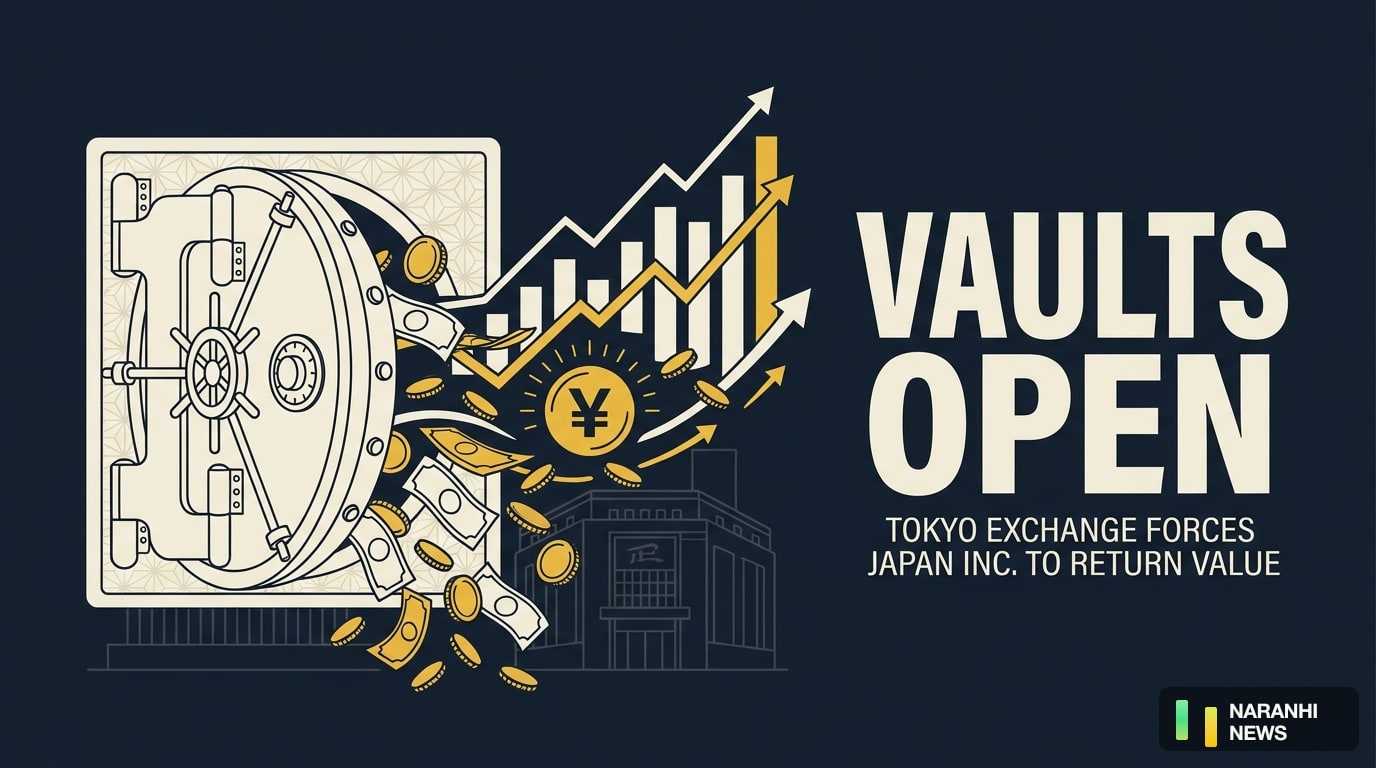
In March 2023, the Tokyo Stock Exchange took an extraordinary step: it formally requested that all TSE Prime-listed companies trading below a price-to-book ratio of 1.0 — meaning the market valued them at less than the worth of their net assets — publish concrete plans to improve their capital efficiency. The message was unmistakable: either explain how you plan to create value, or face the reputational consequences of being publicly labeled an underperformer. In Japan's consensus-driven corporate culture, the threat of public embarrassment turned out to be surprisingly effective.
2023년 3월, 도쿄증권거래소는 이례적인 조치를 취했습니다. 주가순자산비율(PBR) 1.0 미만, 즉 시장이 순자산 가치보다 낮게 평가하는 TSE 프라임 상장 기업 전체에 자본 효율성 개선 계획을 공개적으로 제출하도록 공식 요청한 것입니다. 메시지는 분명했습니다. 가치 창출 계획을 설명하거나, 공개적으로 실적 부진 기업으로 낙인찍히는 명성적 결과를 감수하라는 것이었습니다. 일본의 합의 중심 기업 문화에서, 공개적 망신이라는 위협은 놀라울 정도로 효과적인 것으로 드러났습니다.
Two years after the TSE's intervention, the results are measurable and significant: over 60% of TSE Prime-listed companies have now published formal capital improvement plans — up from just 12% in 2024. Share buybacks in Japan hit a record ¥15 trillion — roughly $100 billion — in fiscal year 2025, as companies began returning idle cash to shareholders at an unprecedented pace. Foreign investors noticed: net inflows into Japanese equities reached ¥8 trillion over the past 12 months, reversing years of outflows and signaling that global money managers have decided Japan's reform story is real.
TSE 개입 2년 후, 그 결과는 측정 가능하고 의미 있는 수준입니다. TSE 프라임 상장 기업의 60% 이상이 이제 공식적인 자본 개선 계획을 발표했으며, 이는 2024년의 12%에서 크게 오른 수치입니다. 일본의 자사주 매입 규모는 2025 회계연도에 약 15조 엔, 즉 1,000억 달러 수준의 사상 최고치를 기록했습니다. 기업들이 유례없는 속도로 잠자는 현금을 주주에게 환원하기 시작했기 때문입니다. 외국인 투자자들이 주목했습니다. 지난 12개월간 일본 주식에 대한 순유입액이 8조 엔에 달하며 수년간의 유출을 역전시켰고, 글로벌 자금 운용사들이 일본의 개혁 스토리를 실제로 받아들이기 시작했음을 시사합니다.
The Korea Connection
Why This Story Hits Close to Home for Korean Readers
한국 독자에게 더욱 와닿는 이유
Major global investors — from activist hedge funds like Elliott Management to sovereign wealth giants like Singapore's GIC — have been building significant Japan equity positions for the first time in decades. The investment logic is straightforward: Japanese companies still hold massive cash reserves and cross-shareholdings that have yet to be unwound — meaning there is potentially years of shareholder return ahead if the reform momentum continues. Warren Buffett made headlines in 2023 when he invested heavily in Japan's five major trading houses — Itochu, Mitsubishi, Mitsui, Marubeni, and Sumitomo — and has since described them as the most undervalued large companies he has ever seen.
엘리엇 매니지먼트 같은 행동주의 헤지펀드부터 싱가포르 국부펀드 GIC 같은 거대 투자기관까지, 주요 글로벌 투자자들이 수십 년 만에 처음으로 일본 주식 포지션을 대폭 늘리고 있습니다. 투자 논리는 명확합니다. 일본 기업들은 여전히 풀리지 않은 막대한 현금 보유고와 상호 출자 지분을 갖고 있습니다. 즉, 개혁 모멘텀이 지속된다면 수년간의 주주 환원이 잠재적으로 남아 있다는 뜻입니다. 워런 버핏은 2023년 일본의 5대 종합상사인 이토추, 미쓰비시, 미쓰이, 마루베니, 스미토모에 대규모 투자를 단행해 화제를 모았으며, 이후 이들을 자신이 본 것 중 가장 저평가된 대형 기업들이라고 묘사했습니다.
For Korean readers, this story has a direct parallel: South Korea's Financial Services Commission its own "Corporate Value-Up Program" in 2024, explicitly modeled on Japan's TSE reforms, targeting the so-called "Korea Discount" — the persistent gap between Korean companies' intrinsic value and their market prices. The Korea Discount is well-documented: major South Korean conglomerates — Samsung Electronics, Hyundai, LG — typically trade at 40–60% discounts to their global peers, partly because of complex holding structures and historically low dividend payouts. Japan's experience offers Korea — and any country grappling with governance-driven market discounts — a real-world roadmap: regulatory pressure plus transparency requirements can, over time, genuinely shift corporate behavior.
한국 독자들에게 이 이야기는 직접적인 유사점을 갖습니다. 한국 금융위원회는 2024년 일본의 TSE 개혁을 명시적으로 모델로 삼아, 이른바 '코리아 디스카운트', 즉 한국 기업들의 내재 가치와 시장 가격 간의 지속적인 격차를 해소하기 위한 '기업 밸류업 프로그램'을 도입했습니다. 코리아 디스카운트는 잘 알려진 현상입니다. 삼성전자, 현대, LG 등 한국 주요 대기업들은 복잡한 지주 구조와 역사적으로 낮은 배당 성향으로 인해 글로벌 동종 기업 대비 일반적으로 40~60% 할인된 가격에 거래됩니다. 일본의 경험은 한국을 비롯해 지배구조로 인한 시장 할인 문제와 씨름하는 모든 나라에 실제적인 로드맵을 제시합니다. 규제 압력과 투명성 요건이 시간이 지남에 따라 기업 행동을 실제로 변화시킬 수 있다는 것입니다.
The bigger picture
Revolution or Another False Dawn?
혁명인가, 또 다른 거짓 새벽인가
Not everyone is convinced the transformation is permanent — Japan has had false dawns before, promising structural reforms that faded as political pressure eased and corporate inertia reasserted itself. The key question is whether the TSE's "comply or explain" mechanism has enough staying power to outlast the natural resistance of Japan's corporate establishment — or whether buyback programs will quietly slow once the regulatory spotlight moves elsewhere. Analysts who are optimistic point to the generational shift underway in Japanese management: a new cohort of CEOs, many of whom spent time overseas or at foreign-affiliated companies, is more comfortable with shareholder capitalism than their predecessors. Whether you hold Japanese equities or simply watch governance reform play out in real time, the TSE's follow-through on enforcement — not just the announcement — is what determines whether this becomes structural change or another chapter in Japan's long history of near-reforms.
모두가 이 변화가 영구적이라고 확신하는 것은 아닙니다. 일본에는 이전에도 false dawn(거짓 새벽), 즉 정치적 압력이 완화되고 기업 관성이 다시 고개를 들면서 흐지부지된 구조 개혁의 약속들이 있었습니다. 핵심 질문은 TSE의 '준수 또는 설명' 메커니즘이 일본 기업 기득권의 자연스러운 저항을 넘어설 만큼 충분한 지속력을 갖추고 있느냐입니다. 아니면 규제 당국의 시선이 다른 곳으로 향하면 자사주 매입 프로그램이 조용히 느려질 것인지가 문제입니다. 낙관적인 애널리스트들은 일본 경영진의 세대 교체를 근거로 듭니다. 많은 수가 해외에서 근무하거나 외국계 기업에 몸담았던 새로운 세대의 CEO들은 전임자들보다 주주 자본주의에 더 편안함을 느낍니다. 일본 주식을 보유하든, 지배구조 개혁이 실시간으로 전개되는 방식을 지켜보든, TSE의 실제 집행 여부 — 발표가 아닌 — 가 여러분이 봐야 할 것이에요. 그것이 이번이 구조적 변화가 될지, 아니면 '거의 변화할 뻔했던' 일본의 긴 역사에서 또 하나의 챕터로 남을지를 결정해요.
이 칼럼이 마음에 드셨나요?
새 칼럼이 발행되면 영문 + 한글 본문을 통째로 메일로 보내드려요. 매일 아침, 광고 없이.
언제든 한 번에 해지할 수 있어요.