Markets
From Just-in-Time to Just-in-Case: How the Iran War Rewrote Supply Chains
이란 전쟁이 바꾼 기업 전략: '제때 주문'에서 '미리 쌓기'로
읽기 도움말Intro
When the Price Tag Keeps Climbing
가격표가 계속 오를 때
Have you noticed that everyday goods — from electronics to cooking oil — keep getting more expensive, even when the headlines say inflation is "under control"? The answer may lie not in your local grocery store, but in a corporate strategy shift happening thousands of miles away — a global inventory race driven by the ongoing Iran War.
전자제품부터 식용유까지, 일상용품 가격이 계속 오르는 게 느껴지시나요? 뉴스에서는 인플레이션이 "잡혔다"고 하는데도 말이에요. 그 답은 동네 마트가 아니라, 수천 킬로미터 떨어진 곳에서 벌어지는 기업들의 전략 변화에 있을지 모르고요. 바로 이란 전쟁이 촉발한 전 세계 재고 축적 경쟁이에요.
What's new
Three Months In, Companies Are Panic-Buying Raw Materials
개전 3개월, 기업들이 원자재를 '패닉 바잉'하고 있어요
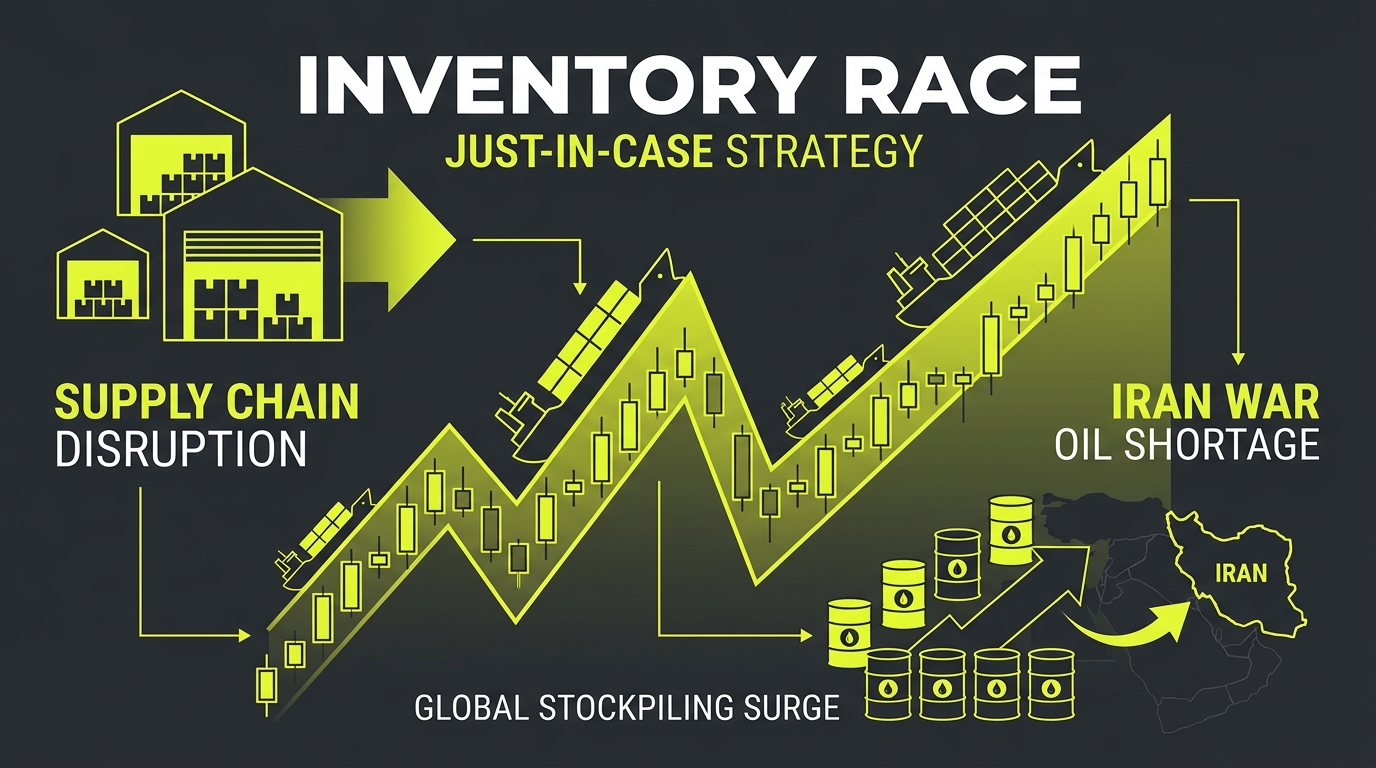
Three months into the Iran War, fears of an energy-supply have pushed global companies to manufactured goods at a pace last seen during the early days of Covid. The Strait of Hormuz — through which roughly 20% of global oil passes — has seen tanker traffic fall by an estimated 40% since began. Companies are no longer betting on supply chains delivering exactly what they need, exactly when they need it; instead, they are embracing a just-in-case strategy — building large buffers of parts, components, and raw materials.
이란 전쟁이 시작된 지 세 달째, 에너지 공급 부족 우려로 전 세계 기업들이 코로나 초기 이후 가장 빠른 속도로 재고를 쌓고 있어요. 전 세계 원유의 약 20%가 통과하는 호르무즈 해협에서, 교전 이후 유조선 통행량이 약 40% 감소했다고 추정되고 있어요. 기업들은 더 이상 '딱 맞게, 딱 제때' 공급되는 공급망을 믿지 않아요. 대신 부품과 원자재를 넉넉히 쌓아두는 재고 선확보(just-in-case) 전략으로 빠르게 이동하고 있어요.
Why it matters
The Hidden Cost: Distorted Data and Rising Prices
숨겨진 대가: 왜곡된 통계와 오르는 물가
This stockpiling rush has a side effect that is making economists nervous: it is distorting trade data, inflating import figures in ways that real consumer demand. When import numbers surge because companies are , central banks may misread the data as strong economic growth — and raise interest rates at exactly the wrong moment. For Korean consumers, this matters directly: South Korea imports nearly all of its oil and a significant share of industrial inputs, meaning higher inventory costs abroad translate into higher prices at home.
이 재고 경쟁에는 경제학자들을 불안하게 만드는 부작용이 있어요. 수입 지표를 부풀려 실제 소비자 수요를 가리는 방식으로 무역 통계를 왜곡하고 있거든요. 기업들이 재고를 쌓느라 수입이 급증하면, 중앙은행이 이를 경기 호황으로 오읽고 잘못된 타이밍에 금리를 올릴 수 있어요. 한국 소비자에게는 이 문제가 직접적으로 와닿아요. 한국은 원유 거의 전량과 상당량의 산업 원자재를 수입하기 때문에, 해외 재고 비용 상승이 국내 물가 상승으로 이어지거든요.
Context
Reading the Market's Crystal Ball — Oil Futures
시장의 수정 구슬: 원유 선물 시장이 말하는 것
Financial markets are signaling the same anxiety: Brent crude futures for delivery six months out are trading at a premium of over $12 per barrel above the spot price — a structure traders call . in oil markets is a reliable that traders expect supply to remain tight: they are willing to pay a premium today to lock in oil deliveries in the future. Beyond oil, the inventory race is most intense in strategic goods: semiconductors, battery materials, and pharmaceuticals — sectors where South Korean companies are deeply in global supply chains. South Korean conglomerates — Samsung, SK Hynix, and LG Energy Solution in particular — are accelerating their own buffer-stock strategies, with Samsung Electronics reportedly holding six months of advanced DRAM inventory rather than the three months considered normal before 2025.
금융 시장도 같은 불안을 드러내고 있어요. 6개월 뒤 인도분 브렌트유 선물이 현물보다 배럴당 12달러 이상 높은 가격에 거래되고 있어요. 트레이더들은 이를 콘탱고(contango)라고 불러요. 원유 시장의 콘탱고는 트레이더들이 공급 부족이 계속될 것으로 예상한다는 신뢰할 만한 신호예요. 미래 원유 확보를 위해 지금 웃돈을 지불할 용의가 있다는 거죠. 원유를 넘어, 재고 경쟁이 가장 치열한 분야는 반도체·배터리 소재·의약품처럼 전략적 품목들이에요. 한국 기업들이 글로벌 공급망에 깊이 연결된 바로 그 분야들이죠. 한국 대기업들, 특히 삼성, SK하이닉스, LG에너지솔루션은 자체 완충 재고 전략을 가속화하고 있어요. 삼성전자는 2025년 이전 표준으로 여겨졌던 3개월 분량 대신 6개월 분량의 고급 DRAM 재고를 보유하고 있는 것으로 알려져 있어요.
What to watch
What This Means for You
우리가 읽어야 할 신호
If you are an investor, watch the between oil spot and futures prices — a widening suggests supply stress is not going away soon, which tends to keep inflation elevated. As a consumer, remember that "stable" headline inflation numbers may hide real price pressures building up in the supply chain — and that these pressures tend to reach store shelves with a lag of three to six months. Watch for inventory buildups in energy, shipping, and manufacturing earnings reports over the next two quarters — that data will tell you whether companies are genuinely shifting from lean supply chains to buffer-heavy ones, and how permanent that shift is likely to be.
투자자라면 원유 현물과 선물 가격의 차이를 눈여겨보세요. 콘탱고가 확대될수록 공급 긴장이 쉽게 풀리지 않는다는 신호이고, 인플레이션이 높게 유지될 가능성이 커져요. 소비자로서는, '안정적'으로 보이는 공식 인플레이션 수치 뒤에 공급망 내부에서 쌓이는 실질 가격 압력이 숨어 있을 수 있다는 점을 기억해주세요. 이 압력은 보통 3~6개월 뒤에 매장 가격으로 나타나요. 이란 전쟁은 이미 진행 중이던 변화를 가속했어요. 효율 중심의 날씬한 공급망에서 완충재 가득한 탄력적 공급망으로의 전환이죠. 이 변화는 앞으로 10년간 기업과 가정 모두의 경제를 결정할 거예요.
이 칼럼이 마음에 드셨나요?
새 칼럼이 발행되면 영문 + 한글 본문을 통째로 메일로 보내드려요. 매일 아침, 광고 없이.
언제든 한 번에 해지할 수 있어요.