Markets
Strait of Hormuz Crisis: How the US-Iran Oil War Is Rewiring Global Markets
호르무즈 해협 위기: 미-이란 오일 전쟁이 글로벌 시장을 어떻게 재편하는가
읽기 도움말The World's Most Dangerous Strait
For nearly three months, the United States and Iran have been locked in a conflict that has placed one of the world's most critical waterways at the center of global financial anxiety — the Strait of Hormuz. The strait, a narrow passage between Iran and the Arabian Peninsula, is the through which roughly 20% of the world's seaborne oil passes every day — making it a lever that can move global energy prices with startling speed. An estimated 17 to 18 million barrels of crude oil pass through the strait daily, along with substantial volumes of liquefied natural gas from Qatar — meaning any sustained closure would not just raise pump prices in Asia and Europe but could trigger an acute heating and electricity crisis in countries that depend on LNG imports.
약 3개월째, 미국과 이란은 분쟁 상태를 이어가고 있습니다. 그 중심에는 세계에서 가장 중요한 해상 수로 중 하나인 호르무즈 해협(Strait of Hormuz)이 있습니다. 이란과 아라비아 반도 사이의 이 좁은 수로는 전 세계 해상 원유의 약 20%가 매일 통과하는 유일한 병목 지점(chokepoint)입니다. 다시 말해, 이곳이 막히면 에너지 가격이 놀라운 속도로 움직이는 레버가 됩니다. 하루 약 1,700만~1,800만 배럴의 원유가 이 해협을 통과해요. 카타르산 액화천연가스(LNG)도 상당량이 지나가요. 장기 폐쇄가 발생한다면 아시아와 유럽의 기름값만 오르는 것이 아니라, LNG 수입에 의존하는 국가들에서 급성 난방 및 전력 위기가 촉발될 수 있어요.
Deadlock and Rising Oil
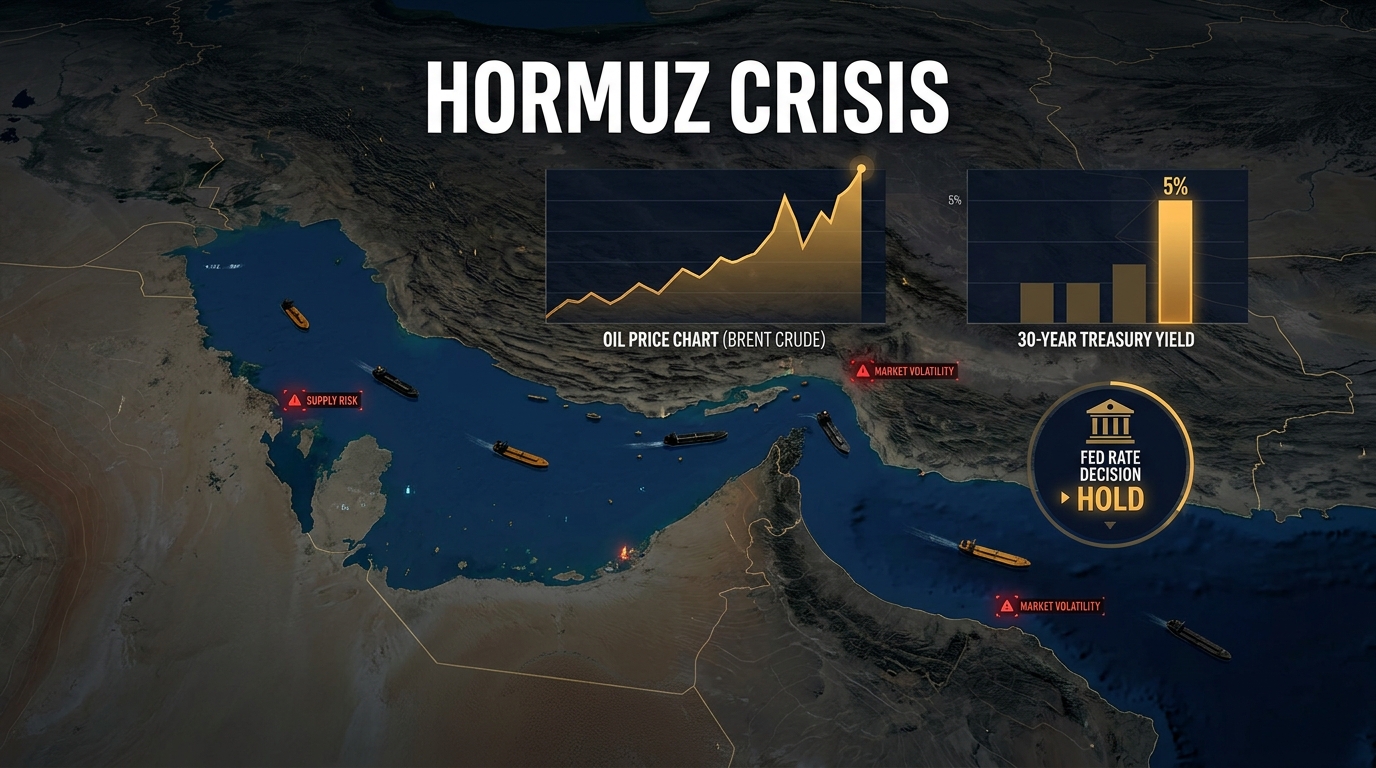
As of this week, diplomacy remains at an . Bloomberg reported that oil has risen for a third consecutive day, and President Trump declared that "the clock is ticking" on a deal to reopen the waterway — a markets interpreted not as optimism, but as urgency without resolution. Oil prices feed directly into the cost of nearly everything — from the gasoline at the pump to the freight charges embedded in your grocery bill. With US national gas prices now approaching record highs, inflation is no longer a bond market abstraction; it has become a daily reality for consumers. The market is pricing in a meaningful probability of full closure, even though the strait has technically remained open. Tankers are adding significant detour routes around the Cape of Good Hope rather than risk transit, extending voyage times by 10 to 14 days and adding roughly $2 per barrel to the effective delivery cost of Gulf crude to Asian buyers. Iran's calculus is also worth understanding. Tehran gains significant leverage from the mere threat of closure, without ever needing to execute it fully. A 20% probability of closure that persists for six months delivers roughly the same oil price premium as an actual two-week closure — and Iran extracts that premium without triggering the military response that an actual blockade would provoke.
이번 주 현재, 외교는 교착 상태(impasse)에 머물러 있습니다. Bloomberg에 따르면 유가는 3일 연속 상승했으며, 트럼프 대통령은 해협 재개방을 위한 협상에서 "시계가 가고 있다"고 경고했습니다. 시장은 이를 낙관으로 읽지 않고, 해결 없는 긴박감(urgency without resolution)으로 해석했습니다. 유가는 거의 모든 것의 비용에 직접 연결됩니다. 주유소 휘발유 가격부터 식료품 청구서에 숨어 있는 화물 운임까지 말이지요. 미국 전국 가스 가격이 역대 최고치에 근접한 지금, 인플레이션은 더 이상 채권 시장의 추상적인 수치가 아닙니다. 소비자들이 매일 느끼는 현실이 되었습니다. 시장은 해협이 기술적으로는 개방된 상태임에도, 완전 폐쇄의 의미 있는 확률을 반영하고 있어요. 유조선들은 통항 위험을 피해 희망봉을 돌아가는 대형 우회로를 선택하고 있어요. 이로 인해 항해 시간은 10~14일 늘어나고, 아시아 구매자에게 전달되는 걸프 원유의 실질 납품 비용은 배럴당 약 2달러 올라요. 이란의 셈법도 이해할 가치가 있어요. 테헤란은 실제로 완전히 폐쇄를 실행하지 않고도, 폐쇄 위협만으로 상당한 레버리지를 얻어요. 6개월간 지속되는 20%의 폐쇄 확률은 실제 2주 폐쇄와 거의 같은 유가 프리미엄을 제공해요. 이란은 실제 봉쇄가 유발할 군사적 대응을 촉발하지 않으면서 그 프리미엄을 추출하는 거예요.
Bond Markets at a Tipping Point
The bond market is sending a stark warning. The on 30-year US Treasury bonds is approaching a two-decade high above 5%, as investors demand higher compensation for the risk of holding long-term debt in an inflationary environment. Bloomberg's bond desk describes this as a potential "tipping point" toward a new era of elevated borrowing costs. This is what makes the Federal Reserve's position so uncomfortable. DoubleLine Capital CEO Jeffrey Gundlach — one of Wall Street's most prominent bond investors — stated bluntly this weekend that a rate cut at the next Fed meeting is "just not possible." The reason: cutting rates when inflation is rising would be like throwing gasoline on a fire. The timing could not be worse for the US Treasury. With the federal government already running deficits exceeding $2 trillion annually, rising yields mean the interest cost of refinancing existing debt is climbing faster than tax revenue growth. The Congressional Budget Office now projects that debt service costs could exceed defense spending within two fiscal years.
채권 시장이 강한 경고를 보내고 있습니다. 미국 30년물 국채 수익률(yield)이 5%를 넘어 20년 만의 최고치에 근접하고 있습니다. 인플레이션 환경에서 장기 부채를 보유하는 위험에 대해 투자자들이 더 높은 보상을 요구하고 있기 때문입니다. Bloomberg 채권 담당은 이를 차입 비용의 새로운 고가 시대로의 잠재적 "전환점(tipping point)"이라고 표현했습니다. 이것이 연방준비제도(Fed)의 입장을 그토록 곤란하게 만드는 이유입니다. 월스트리트의 가장 저명한 채권 투자자 중 한 명인 DoubleLine Capital CEO 제프리 건드라흐(Jeffrey Gundlach)는 이번 주말 다음 FOMC 회의에서 금리 인하는 "전혀 불가능하다"고 단호하게 말했습니다. 이유는 간단합니다. 인플레이션이 오를 때 금리를 내리는 것은 불 위에 휘발유를 붓는 것과 같습니다. 타이밍이 미국 재무부에게 최악일 수 없어요. 연방 정부가 이미 연간 2조 달러를 초과하는 적자를 기록하는 가운데, 금리 상승은 기존 부채 재융자 이자 비용이 세수 증가보다 빠르게 오르고 있다는 뜻이에요. 의회예산처(CBO)는 이제 부채 서비스 비용이 2회계연도 내에 국방비를 초과할 수 있다고 전망해요.
Gold's Paradox and Exotic Hedges
Paradoxically, gold — the traditional safe haven in times of crisis — has actually declined this week. Why? Because rising bond yields make gold less attractive: if you can earn 5% risk-free from a Treasury bond, the zero-yield appeal of holding gold diminishes. This is the classic inverse relationship between gold and real interest rates. Stock markets are also feeling the squeeze. With both inflation and the Iran war casting uncertainty over the economic outlook, some investors are turning to so-called "exotic options" — complex derivatives designed to protect against tail risks, or low-probability but high-impact market crashes — rather than conventional hedges. The shift to more unconventional hedging strategies — oil futures, natural gas options, even shipping company stocks — reflects a broader acknowledgment among institutional investors that the traditional 60-40 stock-bond portfolio does not provide meaningful protection when both assets face simultaneous structural headwinds.
역설적이게도, 위기 때의 전통적인 안전 자산(safe haven)인 금(gold)이 이번 주 오히려 하락했습니다. 왜일까요? 채권 수익률이 오르면 금의 매력이 줄기 때문입니다. 국채에서 리스크 없이 5%를 벌 수 있다면, 수익이 없는 금을 굳이 보유할 이유가 줄어듭니다. 이것이 금과 실질 금리(real interest rates) 사이의 고전적인 반비례 관계입니다. 주식 시장도 압박을 받고 있습니다. 인플레이션과 이란 전쟁이 동시에 경제 전망에 불확실성을 드리우면서, 일부 투자자들은 일반적인 헤지(hedge) 대신 이른바 '이색 옵션(exotic options)'으로 눈을 돌리고 있습니다. 이는 꼬리 위험(tail risk), 즉 발생 가능성은 낮지만 충격이 큰 시장 붕괴로부터 보호하도록 설계된 복잡한 파생상품입니다. 석유 선물, 천연가스 옵션, 심지어 해운 회사 주식까지 더 비전통적인 헤지 전략으로의 이동은 기관 투자자들 사이에서 전통적인 60-40 주식-채권 포트폴리오가 양 자산 모두 동시에 구조적 역풍에 직면한 환경에서는 의미 있는 보호를 제공하지 못한다는 폭넓은 인식을 반영해요.
What to watch
The equity risk premium — the extra return investors expect for owning stocks instead of "safe" bonds — has virtually disappeared. At current valuations, stocks offer little more reward than Treasuries, yet carry far greater risk. This is the uncomfortable arithmetic that is beginning to unnerve even the most bullish investors on Wall Street. Watch for how long the strait closure premium persists in Brent crude futures after any ceasefire announcement — historically, the gap between physical and paper oil markets collapses within 10 trading days of a credible de-escalation, and that window is when the most significant position reversals happen.
주식 위험 프리미엄(equity risk premium), 즉 투자자들이 '안전한' 채권 대신 주식을 보유하는 대가로 기대하는 초과 수익이 사실상 사라졌습니다. 현재 밸류에이션에서 주식은 국채보다 훨씬 큰 위험을 지면서도 큰 추가 수익을 제공하지 못합니다. 이것이 월스트리트의 가장 낙관적인 투자자들마저도 흔들기 시작한 불편한 산술입니다. 어떤 휴전 발표 이후에도 브렌트유 선물에서 해협 봉쇄 프리미엄이 얼마나 오래 유지되는지 주시하세요. 역사적으로 신뢰할 만한 긴장 완화 이후 10거래일 내에 실물과 종이 원유 시장의 격차가 좁혀져요. 여러분이 알아야 할 것은 그 창문이 가장 큰 포지션 역전이 일어나는 시점이라는 거예요.
이 칼럼이 마음에 드셨나요?
새 칼럼이 발행되면 영문 + 한글 본문을 통째로 메일로 보내드려요. 매일 아침, 광고 없이.
언제든 한 번에 해지할 수 있어요.