Hook
"The First Appointment Is Now Online"
"첫 번째 진료는 이제 온라인에서"
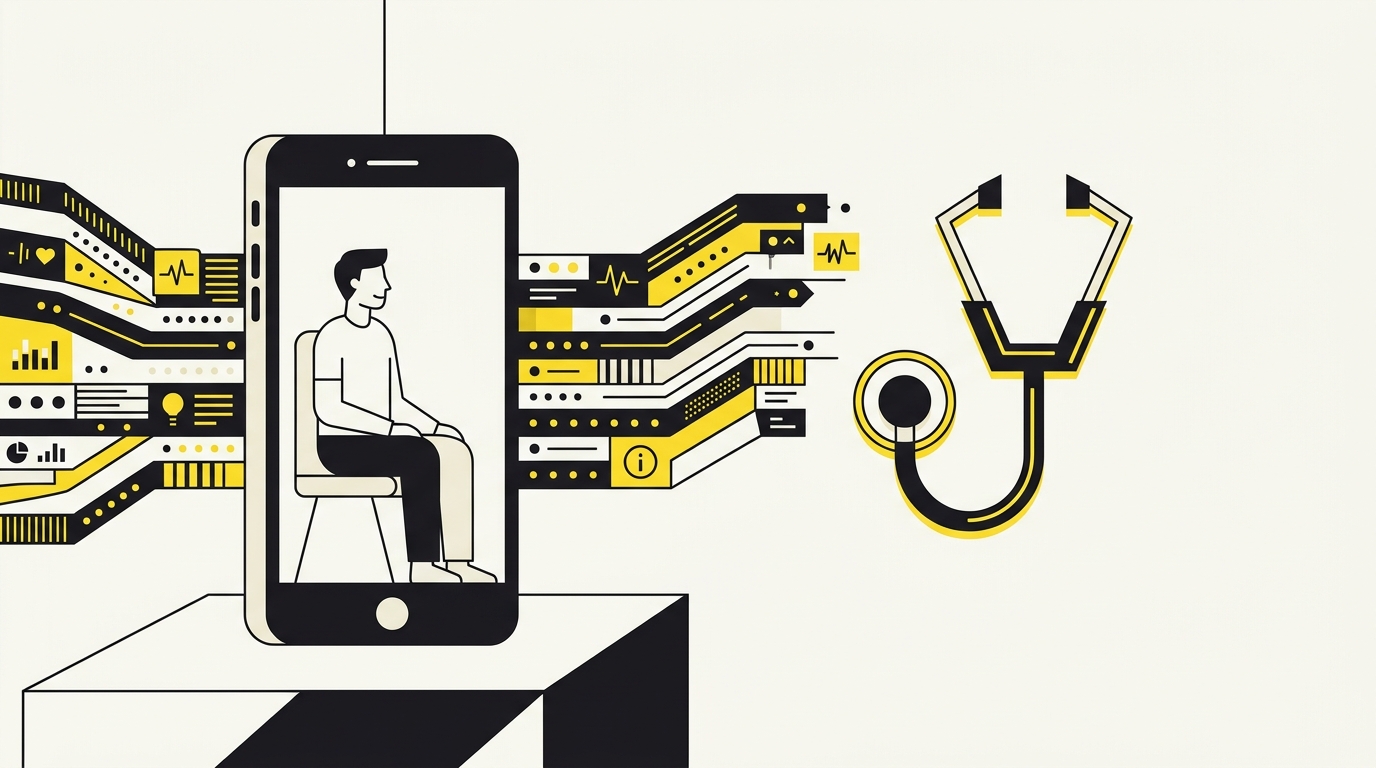
Before you see a doctor, you may already have a diagnosis — provided by an AI. A major new study published on June 24, 2026 found that 90% of people who regularly use AI health tools trust that information almost as much as they trust advice from their physician. This number may mark the most significant shift in the doctor-patient relationship in a generation.
의사를 만나기 전, 여러분은 이미 AI가 제공한 진단을 갖고 있을지도 몰라요. 2026년 6월 24일에 발표된 주요 새 연구에서, AI 의료 도구를 정기적으로 사용하는 사람들의 90%가 그 정보를 의사의 조언만큼 신뢰한다는 사실이 밝혀졌어요. 이 수치 하나가 한 세대 만에 가장 큰 의사-환자 관계의 변화를 나타낼 수 있어요.
What's new
"A Report Built on 10,000 Voices"
"1만 명의 목소리로 만들어진 보고서"
The findings come from the ZS Impact Institute's 2026 Future of Health Report, a survey of more than 10,000 healthcare consumers and providers across the United States, Germany, and China. The report found that patients are making healthcare decisions before they ever interact with a — in waiting rooms, on apps, and late at night in search engines. In the United States alone, 42% of consumers now research their symptoms online before deciding whether to book a doctor's appointment.
이 결과는 미국, 독일, 중국에서 1만 명 이상의 의료 소비자와 의료 제공자를 조사한 ZS Impact Institute의 '2026 건강의 미래 보고서'에서 나왔어요. 보고서에 따르면 환자들은 임상의와 만나기 전에 이미 의료 결정을 내리고 있었어요 — 대기실에서, 앱에서, 그리고 밤늦게 검색 엔진에서요. 미국에서만 42%의 소비자가 의사 예약을 결정하기 전에 온라인에서 증상을 검색하고 있어요.
The behavior shift
"Search First, Visit Second"
"먼저 검색하고, 그다음 방문해요"
The pattern the report describes is new: patients are no longer passive — they arrive at appointments having already formed an opinion about their condition. Between 45% and 68% of patients across the surveyed countries reported delaying care until they became visibly sick — often because they first tried to manage their health concerns through digital tools. Researchers describe this as " care" — a world where the patient's own research shapes what happens in the clinic, not the other way around.
보고서가 설명하는 패턴은 새로워요. 환자들은 더 이상 수동적이지 않아요 — 자신의 상태에 대한 의견을 이미 형성한 채로 진료에 도착해요. 조사 대상 국가에서 45~68%의 환자들이 눈에 띄게 아플 때까지 치료를 미룬다고 답했어요 — 종종 먼저 디지털 도구를 통해 건강 걱정을 해소하려 했기 때문이에요. 연구자들은 이를 '소비자 주도 의료'라고 설명해요 — 진료실에서 일어나는 일이 환자 본인의 조사에 의해 결정되는 세상이에요.
The bigger picture
"Why Healthcare Systems Are Under Pressure"
"의료 시스템이 압박받는 이유"
The ZS report's headline — "AI Is Pushing Healthcare Toward a Breaking Point" — signals a concern that many health systems share: the shift is moving faster than institutions can adapt. When patients with AI before seeing a doctor, errors can — a tool that gets the right answer 90% of the time still gets it wrong one time in ten. The risk is not that AI is inaccurate — it often isn't — but that patients may act on partial information without the professional context a doctor provides.
ZS 보고서의 헤드라인 "AI가 의료를 한계점으로 몰고 있다"는 많은 의료 시스템이 공유하는 우려를 보여줘요. 변화가 기관들이 적응할 수 있는 속도보다 빠르게 진행되고 있다는 거예요. 환자들이 의사를 만나기 전에 AI로 자가 진단할 때 오류가 겹칠 수 있어요 — 90%의 경우 정답을 주는 도구도 열 번 중 한 번은 틀려요. 위험은 AI가 부정확하다는 것이 아니에요 — 종종 정확해요 — 하지만 환자들이 의사가 제공하는 전문적 맥락 없이 부분적인 정보에 따라 행동할 수 있다는 거예요.
Korea perspective
"What Korean Patients Are Already Doing"
"한국 환자들이 이미 하고 있는 일"
In South Korea, digital health adoption has moved especially fast — 54 million people carry smartphones with health apps built in, and platforms like Kakao and Naver offer checkers used by millions every month. Korean healthcare is already shifting toward preventive and self-managed care, with the government's Digital Healthcare Innovation Strategy explicitly backing AI-assisted patient empowerment. The ZS findings mirror what is already visible in Korean online health communities, where detailed AI-assisted analyses are shared and discussed before any clinic visit.
한국에서 디지털 의료 도입은 특히 빠르게 진행됐어요 — 5,400만 명이 건강 앱이 내장된 스마트폰을 들고 있고, 카카오와 네이버 같은 플랫폼은 매월 수백만 명이 사용하는 증상 체크 기능을 제공해요. 한국 의료는 이미 예방 및 자기 관리 중심으로 이동하고 있으며, 정부의 디지털 의료 혁신 전략도 AI 지원 환자 역량 강화를 명시적으로 지지하고 있어요. ZS의 연구 결과는 이미 한국 온라인 의료 커뮤니티에서 볼 수 있는 모습을 반영해요 — 어떤 병원 방문 전에도 AI 기반 증상 분석을 상세히 공유하고 토론하는 문화예요.
Patient action
"Get the Most from Both AI and Your Doctor"
"AI와 의사 모두에게서 최선을 얻어요"
AI health tools work best as a starting point, not a final answer — use them to form better questions for your doctor, not to skip the appointment altogether. If you have researched a with AI before your appointment, tell your what you found — it opens a more honest conversation and helps them understand your specific concerns. Your instinct to research your health is good — the goal is to make AI and your doctor a team, not a competition.
AI 의료 도구는 최종 답이 아닌 출발점으로 쓸 때 가장 효과적이에요 — 진료를 완전히 건너뛰는 것이 아니라 의사에게 더 나은 질문을 만들기 위해 활용해요. 진료 전에 AI로 증상을 조사했다면, 임상의에게 무엇을 찾았는지 말해주세요 — 더 솔직한 대화를 열고 그들이 여러분의 구체적인 걱정을 이해하는 데 도움이 돼요. 건강을 조사하려는 여러분의 본능은 좋아요 — 목표는 AI와 의사를 경쟁이 아닌 하나의 팀으로 만드는 거예요.
이 칼럼이 마음에 드셨나요?
새 칼럼이 발행되면 영문 + 한글 본문을 통째로 메일로 보내드려요. 매일 아침, 광고 없이.
언제든 한 번에 해지할 수 있어요.