Business2026.06.22
The Deal That Moved Markets: Inside the U.S.-Iran Hormuz Breakthrough
시장을 흔든 협상: 미국-이란 호르무즈 합의의 안쪽
읽기 도움말Hook
The Announcement That Shifted Everything
모든 것을 바꾼 발표
On June 15, 2026, U.S. President Donald Trump announced that Washington and Tehran had reached a framework agreement to reopen the Strait of Hormuz after 109 days of military — the longest deliberate closure of the world's most important oil shipping lane in modern history. The reaction in global markets was immediate: oil prices fell more than 4 percent within the hour, equity indexes in Europe and Asia surged, and the cost of insurance for tankers transiting the region dropped sharply. But beneath the market euphoria lay a subtler reality: the agreement was a framework, not a signed treaty, and shipping companies that had spent months rebuilding routes around the said they would wait for stronger security guarantees before sending vessels back through the strait.
2026년 6월 15일, 도널드 트럼프 미국 대통령은 109일간의 군사 봉쇄 끝에 워싱턴과 테헤란이 호르무즈 해협 재개방을 위한 합의 틀에 도달했다고 발표했어요. 현대 역사상 세계에서 가장 중요한 석유 항로가 이처럼 오래 의도적으로 폐쇄된 것은 처음 있는 일이에요. 글로벌 시장의 반응은 즉각적이었어요. 유가는 1시간 안에 4% 이상 하락했고, 유럽과 아시아의 주가 지수가 일제히 급등했으며, 해당 지역을 통과하는 유조선 보험료가 급격히 떨어졌어요. 하지만 시장의 환호 아래에는 더 미묘한 현실이 있었어요. 이번 합의는 서명된 조약이 아닌 틀 협정이었어요. 봉쇄를 우회하는 항로를 수개월 동안 재편했던 해운사들은 더 확실한 안전 보장이 나올 때까지 선박을 다시 호르무즈로 보내지 않겠다고 밝혔어요.
The story
Why One Strait Controls the World's Energy
해협 하나가 세계 에너지를 쥔 이유
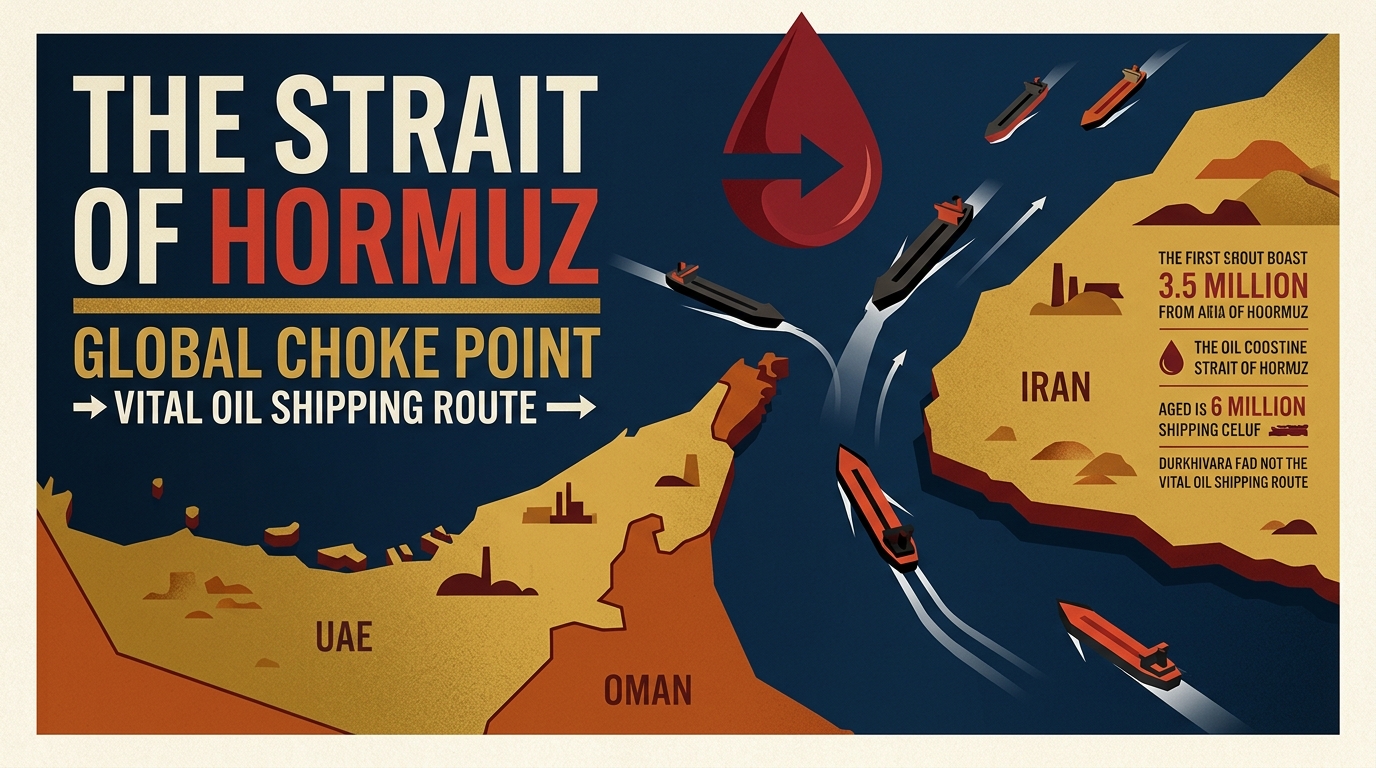
The Strait of Hormuz is only 33 kilometers wide at its narrowest point, separating Iran and Oman, but it acts as the exit for the entire Persian Gulf — through which flow the crude oil exports of Saudi Arabia, the UAE, Iraq, Kuwait, and Qatar, totaling about one-fifth of the world's daily oil supply. When Iran closed the strait on February 28, following escalating tensions with the United States over sanctions and regional influence, benchmark crude prices spiked 40 percent within 72 hours — a shock that quickly spread into airline fuel surcharges, trucking costs, and food prices worldwide. Over the following months, the crisis rippled outward in ways often invisible to consumers: European fertilizer manufacturers cut production because natural gas — the raw material for nitrogen fertilizer — became too expensive, threatening harvests in the following year. Economists estimated the was costing the global economy between $1.5 trillion and $2 trillion annually — equivalent to the combined GDP of Canada and Australia — as supply chains scrambled to find longer, more expensive detour routes around the Arabian Peninsula.
호르무즈 해협은 가장 좁은 지점의 폭이 33킬로미터에 불과해요. 이란과 오만 사이를 가르는 이 해협은 사우디아라비아, 아랍에미리트, 이라크, 쿠웨이트, 카타르의 원유 수출이 모두 통과하는 페르시아만의 유일한 출구예요. 전 세계 하루 석유 공급량의 약 5분의 1이 이곳을 지나요. 제재 및 지역 영향력을 둘러싼 미국과의 갈등이 고조된 이란이 2월 28일 해협을 봉쇄하자, 기준 원유가가 72시간 안에 40% 급등했어요. 이 충격은 빠르게 항공 유류할증료, 물류 비용, 전 세계 식료품 가격으로 번져 나갔어요. 이후 수개월 동안 위기는 소비자들 눈에는 잘 보이지 않는 방식으로 파장을 넓혔어요. 유럽 비료 제조사들은 질소 비료의 원료인 천연가스 가격이 지나치게 비싸지자 생산을 축소했고, 이듬해 농작물 수확에까지 차질이 생길 위기에 처했어요. 경제학자들은 봉쇄로 인한 글로벌 경제 손실이 연간 1조 5,000억~2조 달러에 달할 것으로 추산했어요. 이는 캐나다와 호주의 GDP를 합친 것과 맞먹는 규모로, 공급망이 아라비아 반도를 우회하는 더 길고 비싼 항로를 찾느라 드는 비용이었어요.
Inside the deal
A Framework, Not a Guarantee
합의 틀, 보장은 아직 없다
According to officials briefed on the agreement, the framework includes three core elements: Iran halts military operations blocking commercial vessels, the United States begins a phased withdrawal of naval assets from the immediate strait area, and both sides accept a 90-day diplomatic window to negotiate a more permanent arrangement. The 90-day window is the detail that most concerns shipping executives, because it means the legal and security framework underpinning safe transit will not be finalized until mid-September — and any breakdown in diplomacy during that period could trigger another closure. BP, Maersk, and Hapag-Lloyd — three of the world's largest energy and container shipping companies — each issued statements on June 15 saying they were reviewing the framework and would update routing protocols only after completing their own security assessments, expected to take two to three weeks. That caution reflects a painful lesson: three tankers that continued to transit the strait in early March were seized, costing their owners hundreds of millions of dollars in cargo loss, ship damage, and eventual ransom payments before their crews were .
합의 내용을 전달받은 관리들에 따르면, 이 틀은 세 가지 핵심 요소로 구성돼요. 이란의 상업 선박 봉쇄 군사 작전 중단, 미국의 해협 인근 해군 전력 단계적 철수 시작, 그리고 양측이 보다 영구적인 합의를 협상할 90일간의 외교적 창을 수용하는 것이에요. 해운사 경영진이 가장 우려하는 대목은 바로 90일이라는 기한이에요. 이는 안전 통항을 뒷받침하는 법적·안보 체계가 9월 중순까지 확정되지 않는다는 의미이며, 그사이 외교가 결렬되면 또 다른 봉쇄가 촉발될 수 있어요. 세계 3대 에너지·컨테이너 해운사인 BP, 머스크, 하파그-로이드는 6월 15일 각각 성명을 내고 합의 틀을 검토 중이며, 자체 안전 평가가 완료된 이후에만 항로 운영 방침을 변경하겠다고 밝혔어요. 평가에는 2~3주가 걸릴 것으로 예상돼요. 이 신중한 태도는 뼈아픈 교훈에서 나왔어요. 3월 초 해협을 계속 통과하려 했던 유조선 세 척이 나포됐고, 화물 손실, 선박 손상, 몸값 지불 등으로 선주들에게 수억 달러의 피해가 발생한 뒤에야 선원들이 풀려났어요.
Ripple
Korea's Stakes in the Strait
해협에 걸린 한국의 이해관계
For South Korea, the Hormuz reopening carries unusually high stakes: the country imports roughly 70 percent of its crude oil from Middle Eastern producers whose exports flow through the strait, and it is the world's fourth-largest LNG importer, much of which also transits Hormuz. Korean refiners including SK Innovation and S-Oil had spent billions of dollars rerouting supply chains through the Cape of Good Hope during the , adding 10 to 14 days to every voyage and raising costs that were eventually passed on to drivers at Korean gas stations. Korean shipbuilders, meanwhile, found themselves in an unexpected windfall: longer sea routes increased demand for additional vessels, and Hyundai Heavy Industries and Samsung Heavy Industries both reported record LNG carrier order books in the first quarter of 2026. A reopened Hormuz will bring Korean consumers lower energy bills and cheaper food prices relatively quickly, but it may also soften order momentum for Korean shipyards — a reminder that in global trade, every crisis creates winners as well as losers, and the end of one crisis reshuffles both groups again.
한국에게 호르무즈 재개방은 유달리 중요한 문제예요. 한국은 원유의 약 70%를 호르무즈를 통해 수출되는 중동산에서 조달하고, 세계 4위의 LNG 수입국이기도 한데 그 물량 대부분 역시 호르무즈를 통과해요. 봉쇄 기간 동안 SK이노베이션과 S-Oil 등 한국 정유사들은 수십억 달러를 들여 희망봉을 우회하는 공급망을 재편했어요. 항해마다 10~14일이 더 소요됐고, 늘어난 원료 조달 비용은 결국 한국 주유소 기름값으로 소비자에게 전가됐어요. 반면 한국 조선업계는 예상치 못한 호재를 만났어요. 항로가 길어지자 선박 수요가 늘었고, 현대중공업과 삼성중공업은 2026년 1분기에 나란히 LNG 운반선 수주 잔량 사상 최고치를 기록했어요. 호르무즈가 재개방되면 한국 소비자들은 비교적 빠르게 에너지 요금 인하와 식료품 가격 하락 효과를 누릴 수 있어요. 하지만 한국 조선소의 수주 모멘텀이 약해질 수도 있어요. 글로벌 무역에서 위기는 언제나 승자와 패자를 동시에 만들고, 위기가 끝나면 두 집단이 다시 뒤섞인다는 사실을 일깨워 주는 대목이에요.
The bigger picture
What the Next 90 Days Will Reveal
앞으로 90일이 드러낼 것
The most important business metric to track over the next three months is not the oil price — which moves daily on rumors — but the spread between spot tanker rates and forward contract rates, which reveals whether shipping companies actually believe the reopening will hold. A rapid narrowing of that spread — signaling that the market expects the deal to hold — would allow manufacturers, food producers, and logistics companies to begin locking in lower input costs for the second half of 2026, potentially unleashing the investment wave that markets have been pricing in since the announcement. If the diplomatic window collapses before mid-September, analysts at Goldman Sachs and Citi warned in notes circulated on June 15 that crude could spike back above early March levels — potentially triggering the global recession that policymakers across Asia, Europe, and the Americas have spent four months trying to prevent. Watch for two signals in the coming weeks: whether at least two major shipping companies announce route restorations through the strait, and whether the 90-day diplomatic timeline holds or expands — because when both happen together, the case for lower energy costs across every sector of the economy becomes real for everyone.
앞으로 석 달 동안 가장 중요하게 살펴봐야 할 비즈니스 지표는 매일 소문에 따라 움직이는 유가 자체가 아니에요. 오히려 현물 유조선 운임과 선도 계약 운임의 스프레드예요. 이 스프레드가 해운사들이 호르무즈 재개방이 지속될 것이라고 실제로 믿는지를 보여줘요. 스프레드가 빠르게 좁아진다면, 제조업체, 식품 생산자, 물류 기업들이 2026년 하반기를 위해 더 낮은 투입 비용을 고정하기 시작할 수 있어요. 이는 발표 이후 시장이 선반영해 온 투자 물결을 현실로 만들 수 있어요. 반면 9월 중순 이전에 외교적 창이 무너진다면, 6월 15일에 배포된 골드만삭스와 씨티의 보고서는 원유가가 3월 초 수준을 다시 넘어설 수 있다고 경고했어요. 이는 아시아, 유럽, 미주 전역의 정책 입안자들이 네 달 동안 막으려 해온 글로벌 경기침체를 촉발할 수 있어요. 앞으로 몇 주 동안 두 가지 신호를 주목해 주세요. 최소 두 개의 대형 해운사가 호르무즈 항로 복원을 공식 발표하는지 여부, 그리고 90일 외교 시한이 유지되거나 연장되는지 여부예요. 여러분이 이 두 가지가 동시에 실현되는 것을 확인하는 순간, 경제 모든 분야에서 에너지 비용이 낮아진다는 논거가 모두에게 현실이 돼요.
이 칼럼이 마음에 드셨나요?
새 칼럼이 발행되면 영문 + 한글 본문을 통째로 메일로 보내드려요. 매일 아침, 광고 없이.
언제든 한 번에 해지할 수 있어요.