AI Trend
Cloudflare Cut 1,100 Jobs Because of AI — While Posting Record Revenue
AI 덕분에 매출 신기록, AI 때문에 직원 1,100명 해고 — Cloudflare의 역설
읽기 도움말The Announcement That Surprised Everyone
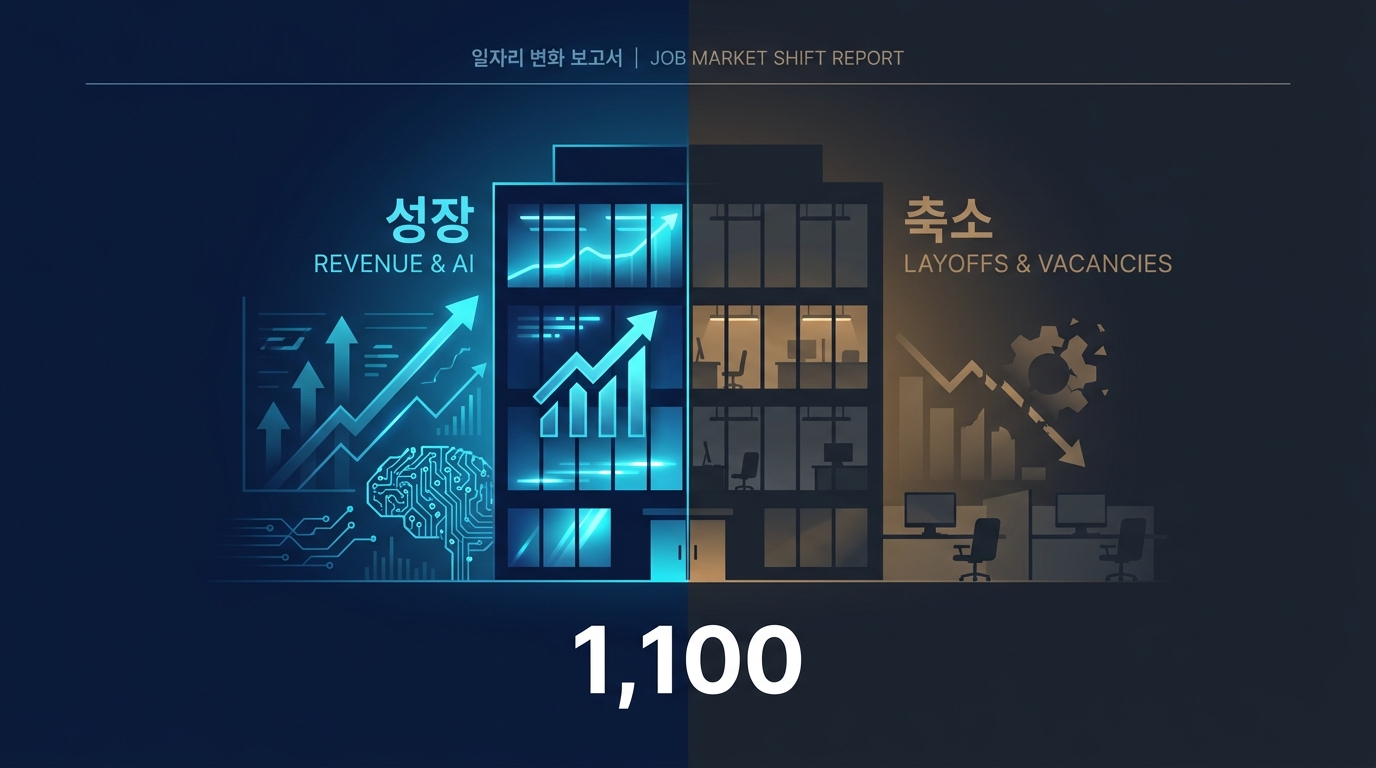
Cloudflare, the internet security and networking company behind much of the world's web infrastructure, made two announcements in the same week that seemed to contradict each other. First, it reported record revenue for the first quarter of 2026 — $591 million, up 27 percent compared to the same period last year. Second, it announced its first large-scale , eliminating roughly 1,100 positions — about 11 percent of its entire workforce. The explanation for both? Artificial intelligence.
전 세계 웹 인프라의 상당 부분을 담당하는 인터넷 보안·네트워킹 기업 Cloudflare가 같은 주에 서로 모순되어 보이는 두 가지 발표를 했어요. 첫째, 2026년 1분기 매출이 전년 동기 대비 27% 성장한 5억 9,100만 달러로 역대 최고치를 기록했다고 발표했어요. 둘째, 첫 번째 대규모 감원을 발표하며 전체 인력의 약 11%에 해당하는 1,100개 직책을 없앴어요. 두 발표의 이유는 같았어요. 바로 인공지능이었죠.
How AI Made Jobs Obsolete at a Thriving Company
CEO Matthew Prince was unusually direct: he said AI efficiency gains had made those roles "," a word that means no longer useful or needed in today's world. The roles most affected were in customer support and internal operations — work that Cloudflare's own AI tools had learned to handle automatically. What makes this story striking is not just the itself, but the timing: the company was thriving financially and chose to reduce headcount anyway. In earlier generations of corporate , companies usually cut jobs when profits fell or growth slowed. Cloudflare's situation represents a newer pattern: companies grow faster because of AI, but employ fewer people at the same level of growth. Economists call this a "productivity paradox" — output rises while the need for labor shrinks.
CEO 매튜 프린스는 이례적으로 직접적으로 말했어요. AI의 효율성 향상이 그 직책들을 '쓸모없는 것'으로 만들었다고요 — obsolete란 오늘날 더 이상 유용하지 않거나 필요하지 않다는 뜻이에요. 가장 큰 영향을 받은 직책은 고객 지원과 내부 운영 분야였어요 — Cloudflare 자체 AI 도구가 자동으로 처리하는 법을 익힌 업무들이었죠. 이 이야기가 충격적인 이유는 감원 자체뿐만이 아니에요. 바로 시기죠. 회사가 재정적으로 승승장구하는 상황에서도 인력 축소를 선택했으니까요. 이전 세대의 기업 구조조정에서는 보통 수익이 떨어지거나 성장이 둔화될 때 일자리를 줄였어요. Cloudflare의 상황은 새로운 패턴을 보여줘요. AI 덕분에 더 빠르게 성장하지만, 같은 수준의 성장에 더 적은 인원을 고용한다는 것이죠. 경제학자들은 이를 '생산성의 역설'이라고 불러요 — 생산량은 늘어나지만 노동 수요는 줄어드는 현상이에요.
A Growing Pattern Across Industries
Cloudflare is not alone in this pattern; it joins a growing list of companies that have made similar moves in recent years. Klarna, the Swedish fintech company, said in 2025 that its AI customer service system was doing the work of 700 human agents — and it reduced headcount accordingly. Duolingo, the language-learning app, cut contractors in 2024, citing AI's ability to generate content that previously required human writers. Ironically, Cloudflare's own AI products — such as Workers AI and AI Gateway — were among the company's fastest-growing revenue lines, meaning AI was simultaneously cutting costs and driving sales.
Cloudflare만의 이야기가 아니에요. 최근 몇 년간 비슷한 행보를 보인 기업들의 명단이 늘어나고 있어요. 스웨덴 핀테크 기업 Klarna는 2025년 AI 고객서비스 시스템이 직원 700명의 업무를 처리하고 있다고 밝혔고, 그에 따라 인원을 줄였어요. 언어 학습 앱 Duolingo는 2024년 계약직을 줄였는데, AI가 이전에 인간 작가가 필요하던 콘텐츠를 생성할 수 있게 됐다는 이유를 들었어요. 아이러니하게도, Cloudflare 자체 AI 제품인 Workers AI와 AI Gateway는 회사에서 가장 빠르게 성장하는 매출원 중 하나였어요. AI가 동시에 비용을 줄이고 매출을 늘리는 역할을 한 셈이에요.
What you can do
For the 1,100 employees who lost their jobs, there was an additional complication: some may not qualify for WARN Act protections. The WARN Act requires companies to give workers at least 60 days' notice before a large — but remote employees, Cloudflare argued, may be classified differently. Workers who tried to negotiate for better — the financial compensation paid to employees who lose their jobs — were told the company would not increase its offer. The situation raises a broader question that goes well beyond one company: as AI makes certain jobs , what responsibilities do profitable companies have toward displaced workers? Some economists argue that AI-driven productivity gains create enough new economic growth to generate new jobs elsewhere — a view that echoes arguments made about past technological revolutions. Others are less optimistic, noting that the pace of AI adoption is significantly faster than previous waves of automation, leaving workers with less time to adapt. What is not in dispute is the direction of travel: as AI tools improve, more tasks that once required human workers will be handled by software, and the companies that use those tools most effectively will gain a significant competitive advantage. If you work in any part of the technology industry, the Cloudflare pattern is worth internalizing now: record revenue and mass layoffs can coexist, because AI is compressing the labor intensity of infrastructure management faster than any previous productivity cycle — ask whether your role is exposed to that same compression.
일자리를 잃은 1,100명의 직원들에게는 또 다른 문제가 있었어요. 일부는 WARN법(근로자 사전 통보 및 재교육 통보법) 보호를 받지 못할 수도 있었거든요. WARN법은 대규모 감원 전 최소 60일 전에 직원들에게 통보할 것을 요구하는데, Cloudflare는 원격 직원들은 다르게 분류될 수 있다고 주장했어요. 더 나은 퇴직금(해고된 직원에게 지급하는 금전적 보상)을 협상하려 했던 직원들은 회사가 제안을 늘리지 않겠다는 답변을 받았어요. 이 상황은 한 기업을 훨씬 뛰어넘는 더 큰 질문을 던져요. AI가 특정 일자리를 쓸모없게 만들 때, 수익성 있는 기업들은 일자리를 잃은 직원들에 대해 어떤 책임을 져야 할까요? 일부 경제학자들은 AI로 인한 생산성 향상이 다른 곳에서 새로운 일자리를 창출할 만큼 충분한 경제 성장을 만들어낸다고 주장해요 — 과거 기술 혁명에 대한 논거와 비슷한 시각이에요. 다른 전문가들은 덜 낙관적이에요. AI 도입 속도가 이전 자동화 물결보다 훨씬 빠르기 때문에 노동자들이 적응할 시간이 부족하다고 지적해요. 방향 자체에 대해서는 이견이 없어요. AI 도구가 발전할수록, 한때 인간 노동자가 필요했던 더 많은 업무가 소프트웨어로 처리될 것이고, 그 도구를 가장 효과적으로 활용하는 기업들이 상당한 경쟁 우위를 얻을 거예요. 기술 산업 어디에서 일하든, 클라우드플레어 패턴을 지금 내면화할 가치가 있어요. 역대 최고 매출과 대규모 감원은 공존할 수 있어요. AI가 인프라 관리의 노동 집약도를 이전 어떤 생산성 사이클보다 빠르게 압축하고 있기 때문이에요. 여러분의 역할이 그 압축에 노출되어 있는지 스스로 솔직하게 따져보는 것이 필요해요.
이 칼럼이 마음에 드셨나요?
새 칼럼이 발행되면 영문 + 한글 본문을 통째로 메일로 보내드려요. 매일 아침, 광고 없이.
언제든 한 번에 해지할 수 있어요.